Skip to content

SID 2026 Speakers

SUSTAINABILITY IN DRINKS 2026 

20 October 2026 •  Christ Church Spitalfields •  London
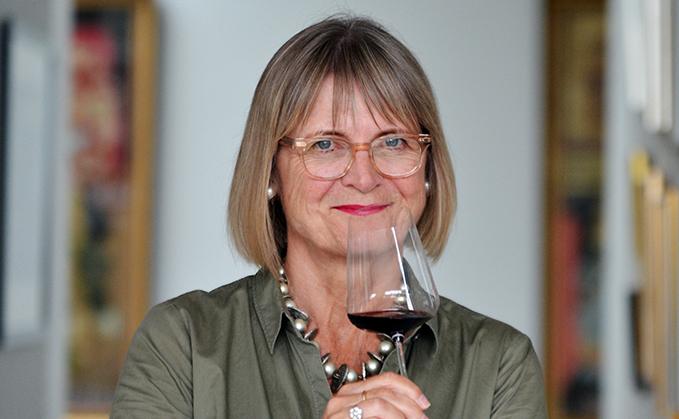
Jancis Robinson

Jancis Robinson OBE MW, Wine Critic & Journalist
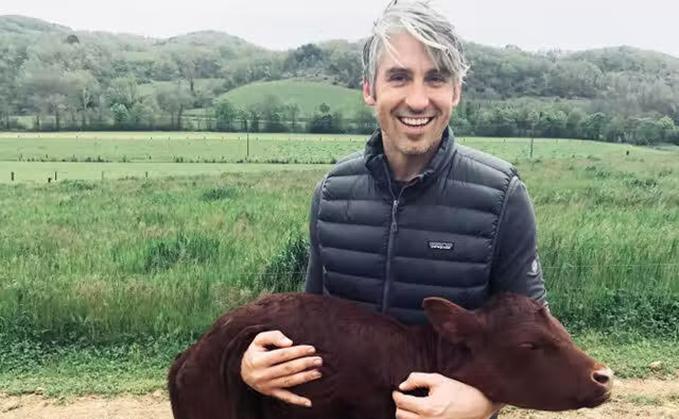
George Lamb

George Lamb, Co-Founder, Wildfarmed

Instead of a traditional bio for our speakers this year, we’ve asked them to do something a little different. We asked everyone to answer one of three simple questions. Hover over each photo to reveal their insightful answers:

  1. If every visitor made just ONE change after leaving Sustainability In Drinks, what would you like it to be?
  2. What’s the one idea you hope people take away from your session?
  3. What’s the one thing the drinks industry needs to do differently?

We think this offers great insight into the ideas and inspiration our speakers hope you will take away from their session.

EDUCATION ZONE

11:00am Panel Talk: Sustainability by 2030: What Matters Most?

Session Manager

Anne Jones
X

Anne Jones

Sustainability in Drinks 
Consultant
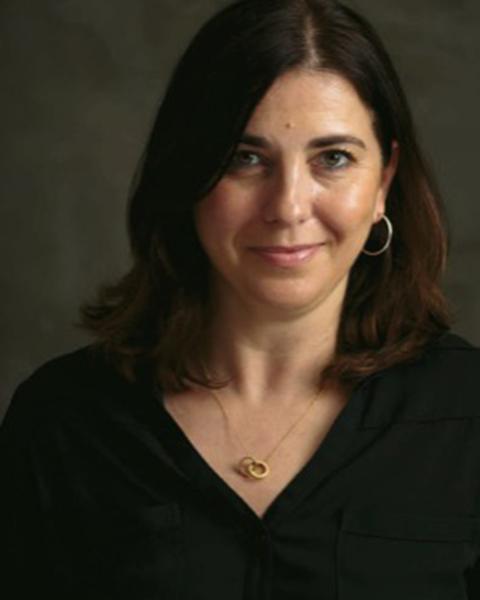
Anne Bousquet
Question 2: Sustainability should not be a separate initiative… it should shape every decision we make, from the health of our soils and the people who work with us to the wine we ultimately put in the bottle. Our ambition is to prove that producing exceptional wine and leaving the land in a better condition for future generations are not competing goals, but one and the same.

Anne Bousquet

Domaine Bousquet
President & co-CEO

Siobhan Toohill
Question 2: Striving for individual sustainability leadership will only get us so far. By working better together, our sector can be greater.

Siobhan Toohill

Sustainable Wine Growing Australia
Chair

Juliane Caillouette Noble
Question 1: I’d love everyone to leave Sustainability in Drinks feeling determined and empowered to eliminate one type of waste from their bins. Could you switch to a larger format (like kegs) for one of your drink options, cutting down on glass bottles? Is there a reusable option that would reduce single-use plastic? Even making one simple change can have a significant impact and can help reveal your next positive step forward.

Juliane Caillouette-Noble

Sustainable Restaurant Association
CEO

Linda_Johansson
Question 2: Carbon data can drive real change. By prioritising emissions reductions and collaborating across the value chain, we can build a more resilient wine industry. We share our Product Carbon Footprint (PCF) learnings to help accelerate progress together.

Linda Johansson

Systembolaget
Sustainability Manager

Clem Yates
Question 1: I’d like each person to turn one sustainability ambition into a practical action, with someone responsible and a deadline!

Clem Yates MW

Representing APCOR

Creative Scientist & Independent Consultant

LAND HEALTH ZONE

12:00pm Workshop: Regenerative, Organic, Biodynamic. Making Sense of the Landscape

Session Manager
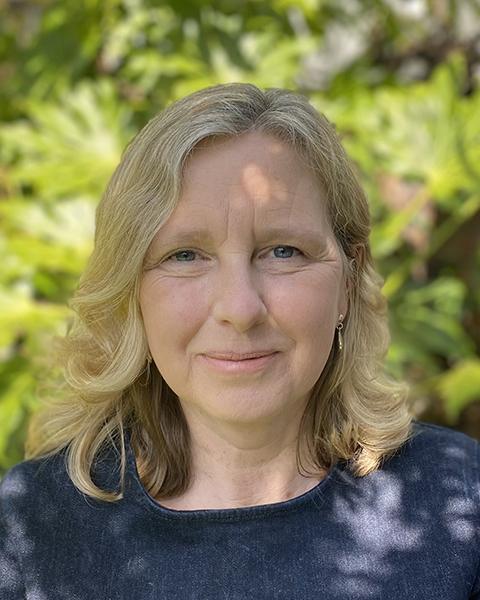
Becky Sykes
Question 2: Soil beneath your feet is the basis for everything. Covering it with living plants creates year round mini solar panels to feed the soil microbiome, restoring biodiversity, stopping nutrients washing off into waterways, and creating genuine terroir.

Becky Sykes

Regenerative Viticulture Foundation
Director

Royce McKean
Question 3: Prioritise shelf space for regeneratively farmed products.

Royce McKean

Tiki Wine & Vineyards
Founder & MD

Anne Bousquet
Question 2: Sustainability should shape every decision we make. Producing exceptional wine while protecting our soils, supporting our people and leaving the land better for future generations should be one shared goal.

Anne Bousquet

Domaine Bousquet
President & co-CEO

Mattia Giacomelli
Question 1: Use the knowledge gained at SID to educate consumers about sustainable winemaking: how it differs, the benefits it brings and why it matters.

Mattia Giacomelli

Santa Tresa
Oenologist & Agronomist

Rob Greenow
Question 3: Appreciate the value of natural/non mass produced products.

Rob Greenow

Veenow
Director/Owner

CLIMATE & CARBON ZONE

12:00pm Panel Talk: Beyond Net Zero – The Positive Impact of Carbon for Wine Companies

Session Manager

Torres Josep Mª Ribas
Question 2: The carbon footprint of wine is no longer a question mark; the real challenge now is to act decisively and share what we learn so we can reduce it together.

Josep Ribas

Familia Torres
Director of Climate Change

Jonas Grönstedt
Question 2: What I hope to convey in my session is the accelerated need for cooperation, shared methodologies, and a general insight that we all need to strive for increased value chain efficiency and simplicity as a lever to reach the net zero goals.

Jonas Grönstedt

Systembolaget
Head of Supplier Development & Sourcing Excellence

catherine_mccosker
Question 2: An understanding that climate mitigation, including sequestration, can be a win-win-win – it can and should be positive for business, wine production, and the planet.

Catherine McCosker

3Keel
Head of Agriculture & Landscapes

Doug Wanstall
xxx

Doug Wanstall

Beyond Zero 
Head of Projects

Allison Jordan
Question 1: Your choice matters. Choose sustainable, climate-smart, regenerative wines and look for a credible seal that shows true commitment

Allison Jordan

California Sustainable Winegrowing Alliance
Executive Director

SUSTAINABLE SOCIETY ZONE

12:00pm Panel Talk: Are You Ready for 2027 & the New B Corp JEDI Standards?

Session Manager & Speaker

Lara Sills
Question 3: Put people first. We’re a relationship-led industry, so let’s listen to our people, challenge barriers to inclusion and make sure everyone has the opportunity to thrive. Ask whose voices are missing and what we can do differently. Through Drinks United, we can learn from each other and drive meaningful change together.

Lara Sills

Wild Idol & Drinks United
Drinks United Advisory Council Member

Erin Williams
Question 1: Challenge one ‘business as usual’ habit monthly: ask suppliers what could change to better benefit your business, people and planet.

Erin Williams

North South Wines
Sustainability Manager

Shirvani Tomar
Question 2: Honestly? That getting ready for 2027 isn’t really about the certificate. It’s about whether the people in your business feel heard, get a fair shot at moving up and feel like they belong. The standards are changing, yes! However, businesses already doing the work won’t need to scramble. Badge or no badge.

Shivani Tomar

Decanter
Awards Manager

Rosie Davenport
Question 3: The drinks industry needs to stop being shy about sustainability. Every bottle starts in nature, with a harvest, a water source and a season that’s shaped by climate. No other sector has a more natural claim to this story. Yet too many brands either say nothing for fear of getting it wrong, or say too much without the evidence to back it up. Getting it right, honestly and credibly, is how drinks brands will earn trust, consumer loyalty and, ultimately, more sales.

Rosie Davenport

Impact Focus
Co-Founder

Allison Jordan
Question 1: Your choice matters. Choose sustainable, climate-smart, regenerative wines and look for a credible seal that shows true commitment.

Allison Jordan

California Sustainable Winegrowing Alliance
Executive Director

PACKAGING ZONE

1:00pm Workshop: Zero Waste Bar Guide

Session Manager

Marta Mendonça
xxx

Marta Mendonça

The Porto Protocol
Manager/Head of Impact

xxxx
xxxx

Amy Roberts

Sustainable Wine Solutions
Managing Director

Anne Bousquet
Question 2: Sustainability should not be a separate initiative… it should shape every decision we make, from the health of our soils and the people who work with us to the wine we ultimately put in the bottle. Our ambition is to prove that producing exceptional wine and leaving the land in a better condition for future generations are not competing goals, but one and the same.

Anne Bousquet

Domaine Bousquet
President & co-CEO

Juliane Caillouette Noble
Question 1: Choose one type of waste to eliminate. Switch formats, embrace reusable options or reduce single-use packaging. One simple change can make a significant impact—and reveal your next step.

Juliane Caillouette-Noble

Sustainable Restaurant Association
CEO

EDUCATION ZONE

1:00pm Panel Talk: Science & Data in Practice

Session Manager

Becky Sykes
Question 2: Soil beneath your feet is the basis for everything. Covering it with living plants creates year round mini solar panels to feed the soil microbiome, restoring biodiversity, stopping nutrients washing off into waterways, and creating genuine terroir.

Becky Sykes

Regenerative Viticulture Foundation
Director

Andrew Wood
Question 2: The importance of planning your data collection before you start!

Dr Andrew Wood

Noble Nine
Author & Analyst

Olga Cam
Question 2: Sustainability isn’t about restrictions. Growers are using it to create new wines, brands and experiences. Discover what they’re doing—and the opportunities it creates.

Olga Cam

Sheffield University Management School
Lecturer in Accounting

Ian Beecher-Jones
Question 1: That economic sustainability is talked about as much as environmental sustainability.

Ian Beecher-Jones

JoJo’s Vineyard
Co-Founder

Tom Griffin
Question 1: Ask suppliers what lives in their fields. Biodiversity, from bats and birds to beneficial insects, supports resilient ecosystems, protects crops and signals a nature-conscious producer.

Tom Griffin MBiol

HESTIA, University of Oxford
Researcher

Florian Payen
Question 2: Soil carbon changes over decades. Keep long-term records of land use and management practices, ideally covering at least 20 years, to understand your impact.

Dr Florian Payen

HESTIA, University of Oxford
Research Associate

EDUCATION ZONE

1:00pm Panel Talk: Certifications & Verifications

Session Manager

Anne Jones
xxx

Anne Jones

Sustainability in Drinks
Consultant

Pierre Naviaux
Question 3: The drinks industry is an interconnected value chain. Sustainability requires everyone to change practices, collaborate and share responsibility. Progress is a journey of continuous improvement, most effective when undertaken collectively.

Pierre Naviaux

Comité Champagne
Sustainability Manager

Dr Peter Stanbury
Question 2: Don’t be overwhelmed by complexity. Use standards as a guide, choose one tangible action and make progress. Then tackle the next. Small, focused steps can lead to meaningful change.

Dr Peter Stanbury

Sustainable Wine Roundtable
Research Director

Tim
Question 3: Put agriculture first, without it there is no industry.

Tim Etherington-Judge

Alkatera
Founder

George Wade
Question 3: Don’t be overwhelmed by complexity. Use standards as a guide, choose one tangible action and make progress. Then tackle the next. Small, focused steps can lead to meaningful change.

George Wade

Zevero
Co-Founder & Chief Commercial Officer

Alex Hitton
Question 3: The drinks industry in the UK needs to think differently and actively about reuse, and seize the opportunity before it is legislated.

Alex Hilton

Beyondly
Director of Policy & Public Affairs

EDUCATION ZONE

2:00pm Panel Talk: Water Impacts Everything – How to Manage the Next Big Sustainability Challenge

Session Manager

Marta Mendonça
xxx

Marta Mendonça

The Porto Protocol
Manager/Head of Impact

Marta Juega
Question 2: The key takeaway I hope people leave with is that water challenges are highly local. While water scarcity is a common issue across agricultural sectors, its severity and causes vary significantly by wine region. Understanding the specific context of each winery is essential to implementing effective solutions, improving resilience, and ensuring the long-term sustainability of wine production.

Marta Juega

Alliance Wine
Head of Positive Impact

Antonio Relvas
Question 3: Technology and innovation are important enablers, but change starts with people. To make the most of the tools and technologies available to us, we must continuously educate, engage, and train our employees, fostering a culture where water efficiency is everyone’s responsibility.

António Relvas

Casa Relvas
CEO

JEAN MARC LAFAGE
Question 2: Roussillon is a small wine region but a very rich mosaïc of terroirs, with a unique diversity of landscapes, varieties and tastes, that you absolutely have to discover.

Jean-Marc Lafage

Domaine Lafage
Winemaker & Owner of Domaine LAFAGE

Andrej Razumarsky
Question 2: Nature matters, no matter at what cost

Andrej Razumovsky

Alpamanta Estate
Owner & Founder

SUSTAINABLE SOCIETY ZONE

2:00pm Panel Talk: Great Places to Work: Building Safe & Inclusive Drinks Businesses

Session Manager

Laura Willoughby
Question 1: Focus on the quality of drinks, not their strength. Create wonderful, inclusive drinks for social occasions, where flavour and experience—not ABV—are the stars

Laura Willoughby

Club Soda
Co-Founder/CEO

Thea Pflaum
Question 2: The environments around us can shape our drinking habits. By creating workplace cultures that support moderation and offer genuine choice, the industry can help people find the balance that’s right for them.

Thea Pflaum

Drinkaware
Operational Development Lead

Sylvia Oates
Question 3: Tastings, trade shows and client dinners are where our industry builds relationships, and they’re also where staff most often face unwanted behaviour. Because alcohol is at the heart of what we do, we’re well placed to lead on planning for those moments, and our people deserve that.

Sylvia Oates

Ask for Angela & Six till Six
CEO

Sofia Gassne
Question 3: We need to take harassment and safety seriously, for everyone. That means actually dealing with it, not writing it off as banter or part of the job. People stay where they feel safe and respected, and that’s how we keep good people in the industry.

Sofia Gassne

Founding Director
Head of HR (Hawksmoor) & Founder (Culture Bar)

Bina Ghandhi
Question 1: Take one practical step to make moderation easier, whether that’s improving access to low- and no-alcohol options, reviewing workplace drinking culture, or equipping your teams with the tools and knowledge to better people’s choices around alcohol.

Bina Gandhi

Drinkaware
Partnerships Manager

LAND HEALTH ZONE

3:00pm Tasting: Does Regeneration Taste Better?

Session Manager

Becky Sykes
Question 2: Soil beneath your feet is the basis for everything. Covering it with living plants creates year round mini solar panels to feed the soil microbiome, restoring biodiversity, stopping nutrients washing off into waterways, and creating genuine terroir.

Becky Sykes 

Regenerative Viticulture Foundation
Director

Session Host

jamie goode
Question 1: To think critically, with an open mind. Don’t just sign up for off-the-peg beliefs, but make your own mind up, based on carefully collected evidence. Avoid the siren call of populists, whichever side they are on.

Jamie Goode

Journalist

Champagne Perrier Jouet

Champagne Perrier-Jouët

Hartenberg

Hartenberg Wine Estate

O'Neill

O’Neill Vintners & Distillers

Domaine Michel Gassier

Domaine Michel Gassier

Maison Mirabeau

Maison Mirabeau

Donum

Donum

Robert Hall

Robert Hall

CLIMATE & CARBON ZONE

3:00pm Workshop: How to Shape your Carbon Footprint Credibly and Add Value

Session Manager

Fran Estartus
Question 2: May they continue progressing in measuring and managing their carbon footprint, overcome the initial barriers, and take the first steps with confidence. The journey is challenging, but meaningful progress starts by taking action.

Fran Estartus

International Wineries for Climate Change (IWCA)
Operations Manager

Tony Cleary
Question 3: There’s no one-size-fits-all solution. Understand your business, identify where you can make the biggest difference and focus your efforts there. Practical progress matters more than chasing the latest trend.

Tony Cleary

Lanchester Wines
CEO

Carolin Haas
Question 2: I’d like people leave seeing logistics differently. It’s behind almost every bottle we enjoy, and by working together across the supply chain, we have a real opportunity to reduce emissions and drive positive change at scale.

Carolin Haas

Hillebrand Gori – a company of DHL
Global Head of GoGreen Programme

Helena Ferreira
Question 3: Make sustainability part of everyday work, not a separate project. Measure, reduce waste, improve processes and packaging, embrace circularity and, most importantly, involve your people.

Helena Ferreira

Adega de Borba
Director of Production & Quality

Malcolm Waugh
Question 2: Does wine really need to come in a standard glass bottle? Recognise that choosing alternative packaging can be a meaningful step towards reducing wine’s carbon footprint.

Malcolm Waugh

Frugalpac
Chief Executive

EDUCATION ZONE

4:30pm SID Announcement: The Regenerative Wine Buying Pledge

Introduction:

Jancis Robinson
xxx

Jancis Robinson OBE MW

British Wine Critic & Journalist

Session Manager

Anne Jones
xxx

Anne Jones

Sustainability in Drinks
Consultant

Presenter:

Stephen Cronk Speaking
xxx

Stephen Cronk

Maison Mirabeau
Co-Founder & CEO

Dom de Ville
xxx

Dom de Ville

The Wine Society
Director of Sustainability & Social Impact

Charlie Cook
Q

Charlie Cook

Levy Restaurants
Operations Director

Linda_Johansson
Question 2: Carbon data can drive real change. By prioritising emissions reductions and collaborating across the value chain, we can build a more resilient wine industry. We share our Product Carbon Footprint (PCF) learnings to help accelerate progress together.

Linda Johansson

Systembolaget
Sustainability Manager

ON THE MAIN STAGE DURING THE DAY…

Drop-in Sessions

Freddie Joostem
Question 2: Navigating DRS and EPR will remain complex. Stay vigilant, understand changing costs and regulations, and use WSTA resources to remain informed and competitive.

Freddie Joosten

Wine & Spirit Trade Association (WSTA)
Associate Director – Sustainability

Tom Owtram
Question 1: To take one sustainability ambition and turn it into practical action within their organisation. Collective progress starts with individual actions, however small.

Tom Owtram

WSET
Sustainability Funding Lead

Sara Hobday
Question 2: A lot of the sustainability leads we’ve spoken to do have a strategy and a clear idea of what they want to do. Something that’s often missing is wider understanding and buy-in across other teams in the business and industry. We’d love to keep the conversation going to learn from the industry how education can help bridge this gap.

Sara Hobday

WSET
Principle Product Manager – Innovation

catherine_mccosker
Question 2: Take away an understanding that climate mitigation, including sequestration, can be a win-win-win – it can and should be positive for business, wine production, and the planet.

Catherine McCosker

3Keel
Head of Agriculture & Landscapes

Anna Chilton
Question 3: Connect the value-chain incentives more efficiently on the benefits of conserving water, soil health, land-use efficiency and reducing pollution.

Anna Chilton

HEADLINE

6:00: The Big Sustainability Debate

Introduction:

Jancis Robinson
xxx

Jancis Robinson OBE MW

British Wine Critic & Journalist

Debate Moderator:

Anne Jones
xxx

Anne Jones

Sustainability in Drinks
Consultant

Sustainability loses integrity when it scales

Consumers won’t pay for sustainability

Gary Smith
Question 3: Focus on provenance: champion local ingredients, British farming, shorter supply chains and transparent sustainability. Give consumers compelling stories while reducing carbon and creating long-term value.

Gary Smith

MDCV UK
CEO

jamie goode
Question 1: To think critically, with an open mind. Don’t just sign up for off-the-peg beliefs, but make your own mind up, based on carefully collected evidence. Avoid the siren call of populists, whichever side they are on.

Jamie Goode

Journalist

Dom de Ville
xxx

Dom de Ville

The Wine Society
Director of Sustainability & Social Impact

Laura Willoughby
Question 1: Focus on the quality of drinks, not their strength. Create wonderful, inclusive drinks for social occasions, where flavour and experience—not ABV—are the stars

Laura Willoughby

Club Soda
CEO, Co-Founder

Putting a financial value on soil carbon is dirty money

Regulation is a barrier to progress

Becky Sykes
Question 2: Soil beneath your feet is the basis for everything. Covering it with living plants creates year round mini solar panels to feed the soil microbiome, restoring biodiversity, stopping nutrients washing off into waterways, and creating genuine terroir.

Becky Sykes

Regenerative Viticulture Foundation
Director

Doug Wanstall
xxx

Doug Wantsall

Beyond Zero
Head of Projects

Dr Peter Stanbury
Question 2: Don’t get waylaid by the apparent complexity. Yes, standards contain a lot of information about a lot of subjects. However, what the best of them do is to provide a guide through this complexity. Start with one thing: make some progress there. Then pick up something else.

Dr Peter Stanbury

Sustainable Round Table
Research Director

Nicola Bates
Question 1: When buying domestic wine to seek out the Green Grapes showing that a producer is verified as being a Sustainable Wine of Great Britain member. They are leading the charge in showing how to improve impacts for people and planet.

Nicola Bates

Wine GB
CEO

Certification is a luxury that creates opportunities only for the wealthy

Judith Batchelar
Question 1: To look at open source data Open data and models for sustainable agriculture | HESTIA, combined with your own data to understand the product footprint of your products, it’s free and easy to use.

Judith Batchelar OBE

Food Matters International
Co-Chair Food Data Transparency Partnership (FDTP)

João Barroso
Question 2: Make sustainability accessible to every business, regardless of size. Pathways can be flexible, but standards must remain strong: support progress, encourage excellence and never cut corners.

João Barroso

Wines of Alentejo Sustainability Programme
Head of Sustainable Development, R&D

KEYNOTE ADDRESS

7:00-7:30pm: 

George Lamb

George Lamb

Co-Founder, Wildfarmed

7:30pm – 8.30pm • Networking • 8:30pm Event Close

OVER 60 VOICES. ONE UNMISSABLE DAY. 

With over 60 speakers, four sustainability zones, practical workshops, thought-provoking discussions, tastings, the Big Sustainability Debate and plenty of opportunities to meet the people driving change across the drinks industry, Sustainability in Drinks 2026 is a day you won’t want to miss.

From regenerative farming and carbon to packaging, water, biodiversity and people, SID brings together the ideas, expertise and conversations that are shaping the future of drinks.

Come for the ideas. Stay for the conversations. Leave inspired to make a difference.